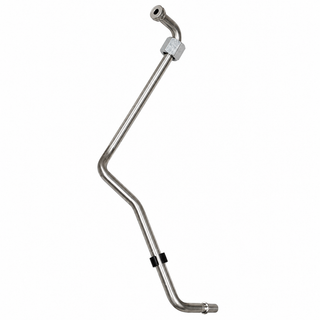

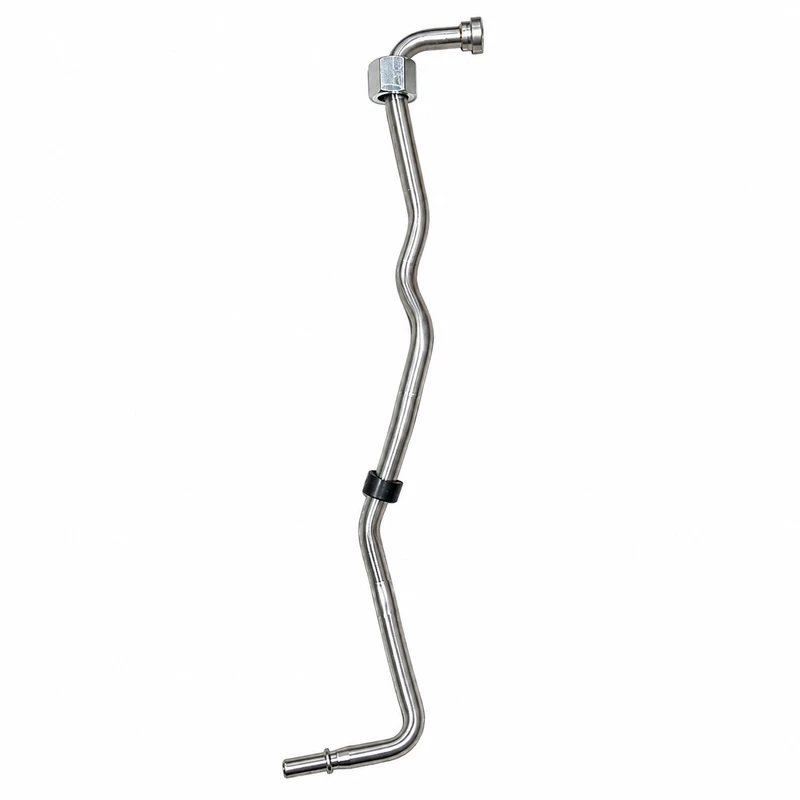
Replace a leaking, corroded, or damaged early-style fuel return line with an upgraded 316 stainless steel replacement from SWAG Performance Parts. Designed to replace Ford 3C3Z-9C273-AA, this formed tube maintains the original routing and connection locations on 2003–2004 Ford 6.0L Powerstroke Diesel trucks.
This line connects the engine-mounted fuel filter housing to the frame-side fuel return plumbing. Its direct-fit design lets you replace the original tube without bending universal tubing or modifying the factory layout.
316 Stainless Steel: An Upgrade Over the Original
The factory line used 304 stainless steel. SWAG upgrades the tubing to 316 stainless steel for superior resistance to chloride-related pitting and crevice corrosion. The difference is molybdenum—an alloying element that helps 316 stainless withstand corrosive exposure better than 304, particularly around road salt and winter brine.
For a truck that sees salted roads, wet conditions, and years of service, that improved corrosion resistance is a practical reason to upgrade when replacing the original line.
Product Features
-
316 stainless steel tubing: Improved chloride corrosion resistance compared with the original 304 stainless steel.
-
Direct-fit early-style configuration: Formed to follow the factory routing and connect at the original locations.
-
OE replacement reference: Replaces Ford 3C3Z-9C273-AA.
-
Correct return-line location: Runs from the engine fuel filter housing to the frame-side return plumbing.
Vehicle Fitment
Fits the following trucks equipped with the 6.0L Powerstroke Diesel engine and early-style 3C3Z-9C273-AA return line:
-
2003–2004 Ford F-250 Super Duty
-
2003–2004 Ford F-350 Super Duty
-
2003–2004 Ford F-450 Super Duty
-
2003–2004 Ford F-550 Super Duty
Match the original tube’s routing and end connections before ordering. This is the early-style return line; the later 5C3Z-9C273-AA configuration is a separate application.
Installation and Inspection Tips
Before replacing the line, confirm the leak is coming from the tube rather than an adjoining fitting or seal. Inspect the connection points for damage and check the existing supports for wear that could allow the tube to rub against nearby components.
Start the connections with the line properly aligned, then secure the factory supports. Avoid twisting the tube or using the fittings to pull it into position. Replace worn sealing or retaining components as needed and check both connections for leaks after priming and starting the engine.